Rethinking How To Show Up At Tradeshows
What happened when I stopped treating a conference booth like a place to pitch and started treating it like an experience people might actually remember.
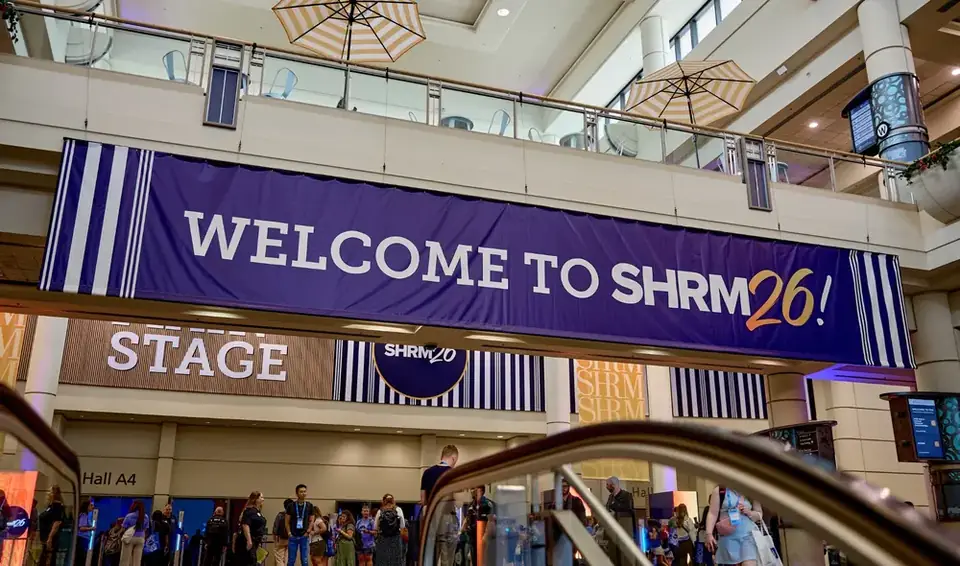
Every year, the SHRM Annual Conference brings together somewhere between 20,000 and 30,000 people in a large convention city like Las Vegas, Orlando, or Chicago. It is one of the biggest events in the human resources space, and it is designed around a mix of keynote sessions, networking opportunities, continuing education, and the chance for HR professionals to explore solutions that could help address the challenges they are facing inside their organizations.
Another huge part of the conference is the Expo, where attendees can meet with hundreds of vendors and solution providers across almost every category imaginable. There are human resources information systems, insurance platforms, rewards programs, employee engagement tools, voluntary benefits, and a long list of other products designed to make work better in some way.
SmartDollar, the business unit I work with at Ramsey Solutions, falls into the financial wellness category. Sure, most would classify us as a voluntary benefit, but I believe the need we address is much more foundational than that label sometimes makes it sound.
If someone doesn’t know how they’re going to pay for groceries this weekend, a recognition program, gift card, trophy, or piece of branded swag is not going to matter at all. If their finances are constantly creating stress, they may already be looking for another job because they believe making more money will solve the problem.
Spoiler: It won’t.
Because more money doesn’t solve the deeper issue.
For nearly 35 years, Ramsey has helped people learn how to take control of their money, create a budget, eliminate debt, build margin, and start applying their income toward the goals that matter to them. SmartDollar brings that proven plan into the workplace. We have the content, the tools, the feedback, and (most importantly) the results and real stories to know that this solution works.
The challenge at an event like SHRM is not convincing others that the product is valuable. The challenge is breaking through the noise long enough to have a real conversation about it.
Over the last several years, I have leaned further into event marketing as one of the ways we go to market. Paid and organic still matter, but events give us an opportunity to get directly in front of influencers and decision-makers, build relationships, understand the problems they are dealing with, and show how SmartDollar could help solve those problems.
I have participated in the SHRM Annual Conference with SmartDollar since 2018, and I’ve also been on the marketing team longer than anyone else. (Did I mention I’m pretty much the team historian? Ha!) For a while, part of the reason I remained involved with events was as simple as the fact that I was still there and I paid close attention to the details.
Over time, though, I realized that operational execution and logistics are areas where I am particularly strong. At the end of 2024, I took over how SmartDollar showed up at events, primarily owning the execution while also contributing to the positioning and strategy behind the event program.
Historically, SmartDollar’s presence at SHRM was fairly traditional. We would purchase a 10-by-20-foot booth, often on a corner, and rely on some combination of branded backdrops, stickers, swag, giveaways, or a prize wheel to attract people.
Those ideas weren’t necessarily bad. In fact, a lot of what we did was necessary.
Fun fact: I learned years ago that literal one-dollar bills are an unexpectedly entertaining prize, especially when the booth staff really commits to celebrating the person who wins one. It costs almost nothing, but with the right energy, it can create a genuinely fun interaction.
Still, most of what SmartDollar had done in the past was not especially memorable. We would gather a significant number of leads, but those leads did not consistently result in follow-up meetings or continued conversations after the conference.
In 2023 and 2024, the team tried moving toward a more intentional booth experience, lost the prize wheel, and created spaces designed to create better conversations. The tradeoff was that our lead volume dropped in half, and our follow-through still was not where we wanted it to be.
I knew the SHRM audience was an audience we wanted to reach. The question was how to return without simply repeating what we had already done.
In 2025, SmartDollar chose not to attend the SHRM Annual Conference. Instead, we used those funds (and team resources) across a larger number of smaller events so that we could test, learn, and improve our overall event strategy & follow through.
That year gave us a much clearer understanding of what needed to happen after an event. We improved our follow-up process to the point that a larger volume of the leads we gathered turned into real opportunities for our sales team to continue the conversation.
That was an important shift. We had learned that we could turn event leads into meaningful follow-up opportunities. Going into SHRM this year, we felt much more confident in our ability to convert the conversations we started.
But I also knew that simply showing up with the same kind of booth we had used before was not enough.
As I started planning, I kept coming back to the idea that we needed to create something memorable. The SHRM expo floor is massive, and attendees are surrounded by hundreds of companies competing for their attention. Even good booths can quickly blend together when someone has spent hours walking through rows of vendors, collecting flyers, listening to pitches, and carrying bags full of branded giveaways.
I wanted to give people a reason to stop.
That eventually led our squad to an idea that was fairly disconnected from both the SmartDollar brand and the Ramsey brand: recreating Michael Scott’s office from The Office. The original concept came from the squad, and I ran with it.
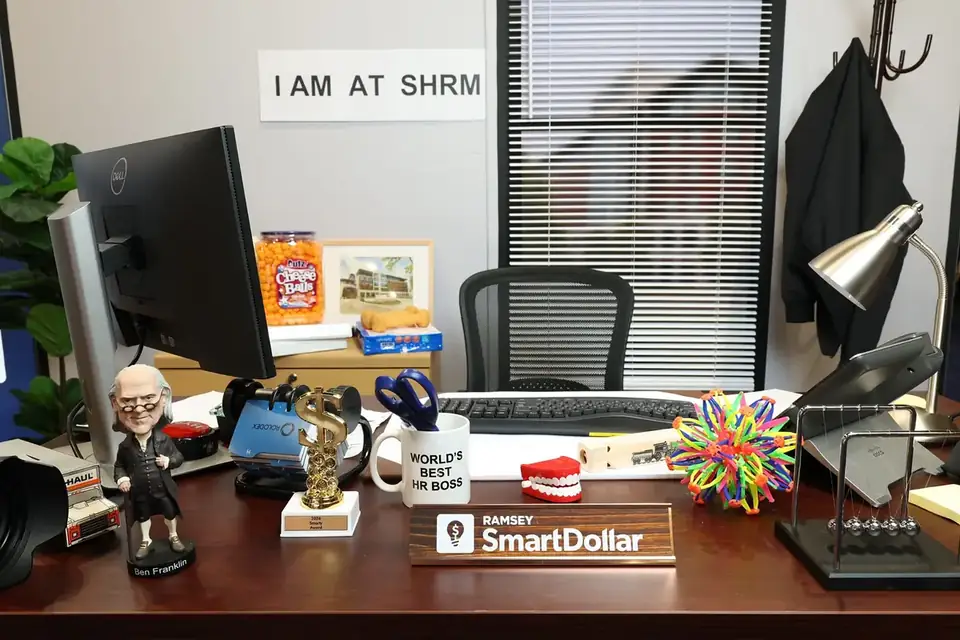
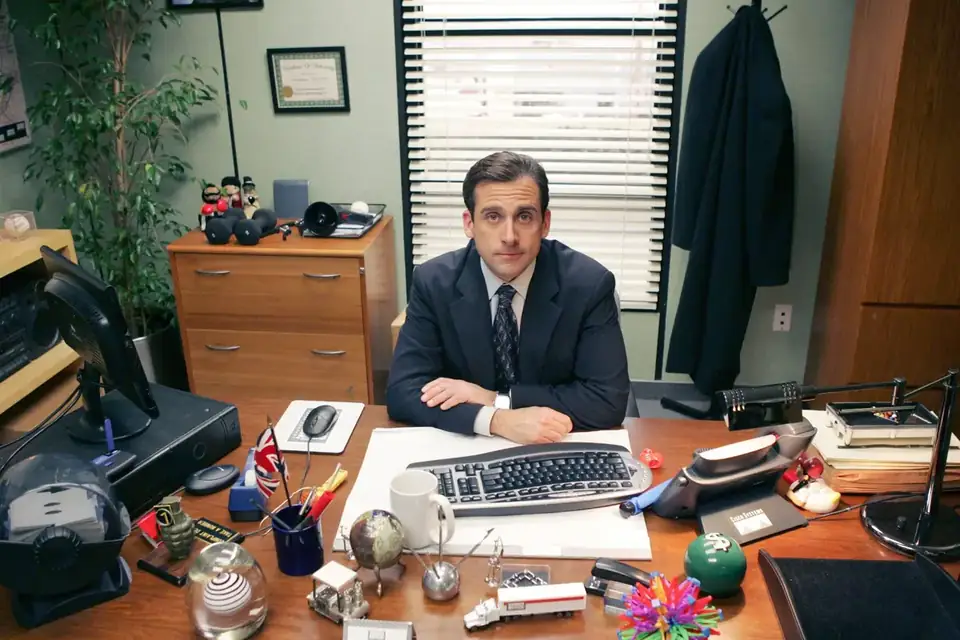
The goal was not to create a perfect replica. In fact, I wanted there to be fun, subtle SmartDollar connections.
The nameplate looked familiar. The coffee mug referenced the “World’s Best HR Boss.” The artwork outside the office window was actually the Ramsey building, even though very few people would recognize it. There were little mentions of our current clients, and we included other Easter eggs throughout the space.
None of it directly explained financial wellness, and that was part of what made the idea feel risky.
There were plenty of reasonable questions we could have asked. Would people understand what we were doing? Would the experience feel too disconnected from our actual product? Would attendees enjoy the office but never make the connection back to SmartDollar?
Those concerns were real, but we were making a calculated bet. I believed that if we invested more money in a larger footprint and gave people a memorable reason to visit, we could create more opportunities for our team to engage them.
We designed the booth as a continuous experience rather than a collection of unrelated attractions. On one end, we had the Michael Scott office photo opportunity. On the other end, we had the prize wheel.
Someone might enter the booth because they recognized the office and wanted a photo. Someone else might be drawn in by the energy around the prize wheel. Either way, there was a reason for them to move to and through the entire 30-foot space.
That movement was intentional.
As people walked through the booth, they noticed the details, interacted with our team members, laughed, took photos, spun the wheel, and had conversations that felt much more natural than someone stepping into a booth because a salesperson called out to them from the aisle.
I was not trying to disguise the fact that we were there to talk about SmartDollar. I was simply creating a better environment for that conversation to begin.
The experience gave people something familiar to connect with before I asked them to engage with something unfamiliar. It lowered the pressure. It created curiosity. It gave our team a natural opening.
And, most importantly, it worked.
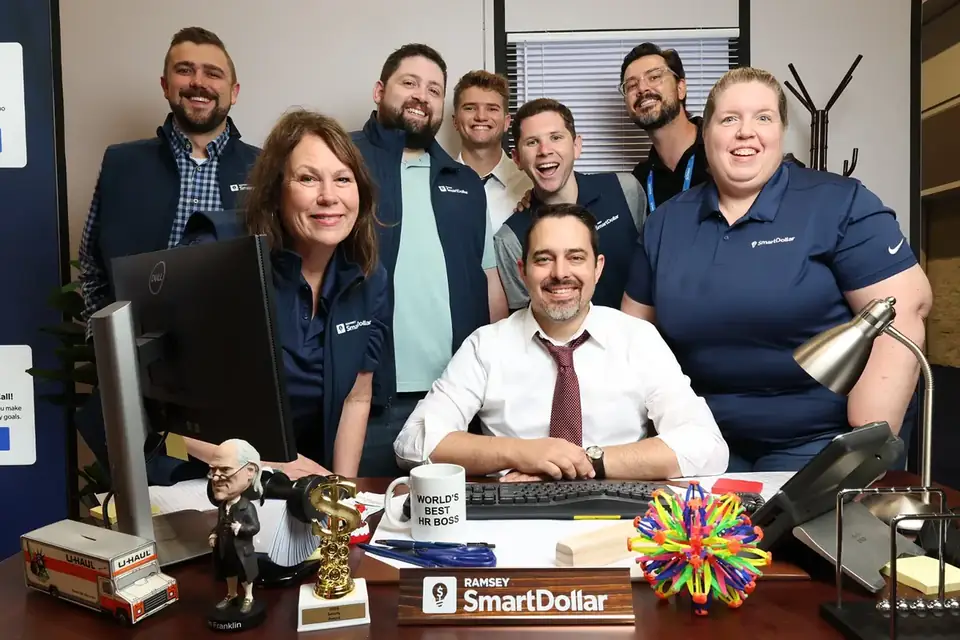
People stopped. They smiled. They brought coworkers back with them. They pointed out details to one another and asked questions about the space. The booth became something people wanted to experience rather than something they felt obligated to walk past politely.
Swipe or use the arrows to browse. Tap any post to read it full size.
Booth photography appearing in attendee posts: Seth F./Ramsey Solutions
There are still results to evaluate, and I do not want to reduce the success of an event to whether people enjoyed a photo opportunity. The real measurement comes from what happens next: the quality of the conversations, the follow-up meetings, the opportunities created, the deals closed, and ultimately the employees who gain access to a financial wellness benefit that can change their lives.
Looking back, I think one of the biggest lessons I’ll carry forward from this year’s SHRM conference is that standing out doesn’t always mean being louder, spending more money, or finding the biggest booth on the expo floor.
Sometimes it just means being different.
While most brands were focused on talking about themselves, I tried to give people something to experience first and something to talk about afterward. That simple shift changed the kinds of conversations we had throughout the week. People came back with coworkers. They pointed out details they had noticed. They shared photos. They laughed. Long before we started talking about financial wellness, we had already created a shared experience.
And that’s what people remembered.
The more I think about it, the more I realize this really isn’t just about conferences.
Whether you’re designing a website, building a product, creating a travel itinerary, opening a retail store, leading a team, or hosting people in your home, the question is remarkably similar:
What part of this experience will people actually remember?
Features matter. Benefits matter. Clear messaging matters. But memorable experiences create conversations that marketing alone can’t buy.
That’s probably the biggest lesson SHRM reinforced for me this year.
Sometimes the best way to stand out isn’t by talking more about yourself.
It’s by giving people something worth talking about.